

Standing Against Bullies for Mental Health
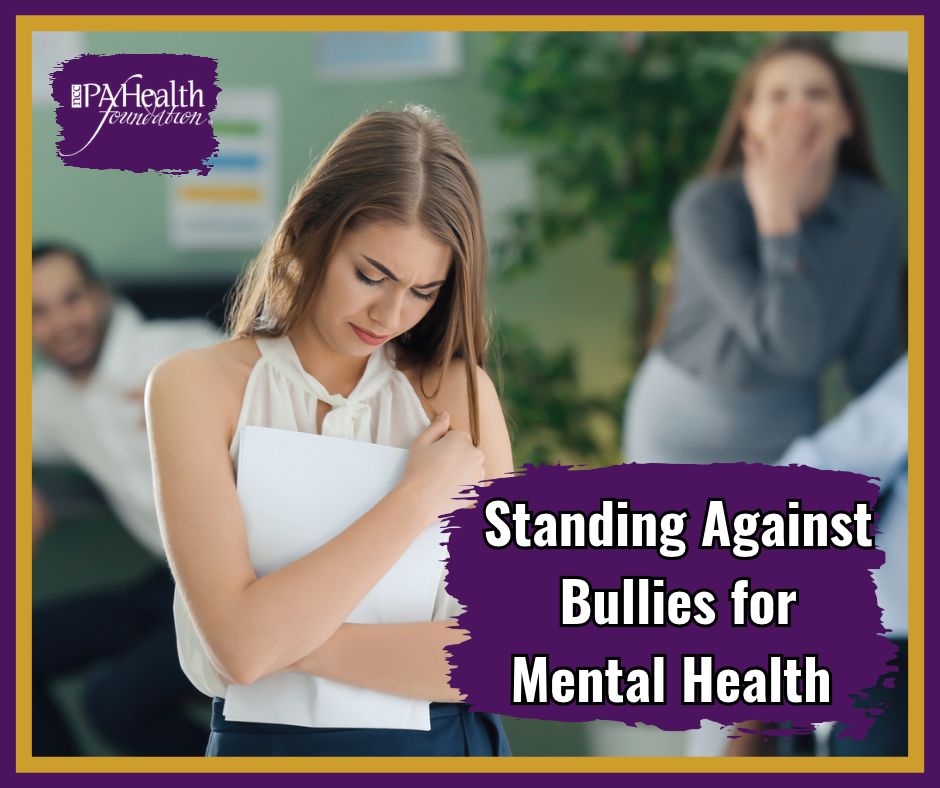
“Strong people stand up for themselves. But the strongest people stand up for others.” – Unknown
Bullying is defined as repeated aggressive behavior involving a real or perceived imbalance of power, and it is a persistent challenge across the lifespan. Bullying may be physical, verbal, relational, and digital. It is distinguished by its intent to harm, its repetition, and its impact on those targeted. Research underscores how widespread the problem is and how deeply it affects well-being and academic or work success.
The National Center for Education Statistics (2022) found that nearly one in five students (19.2%) report being bullied.1 Bullying behaviors vary by gender. Female students are more likely to report being bullied overall (21.8% vs. 16.7%), particularly through relational forms such as rumor-spreading or exclusion.1 Male students, on the other hand, are more likely to experience physical bullying. Middle school students (grades 6–8) report higher rates of bullying (26.1%) compared to high school students (14.6%), suggesting early adolescence is a critical period for intervention.1 Alarmingly, a national survey found that 100% of students had experienced, witnessed, or been aware of bullying during the 2021–2022 school year, reinforcing how pervasive the issue is.
The effects of bullying are far reaching. Students reported significant impacts on their self-esteem (27.8%), schoolwork (19.7%), and relationships (18.5%). The Centers for Disease Control and Prevention noted bullying is associated with increased risks of depression, anxiety, sleep difficulties, and self-harm.2 In addition, studies indicated that repeated peer aggression can reduce academic achievement and hinder motivation and participation in group activities. Students who feel unsafe or disconnected were more likely to skip classes or disengage entirely, further widening achievement gaps.
Unfortunately, bullying does not end after graduation. A 2024 Workplace Bullying Institute report found that 32% of US adults have been directly bullied in the workplace, including remote and hybrid employees3. Persons of color and workers who identify as LGBTQ+ reported higher bullying rates than their majority counterparts. Toxic workplace environments reduce productivity by 30% and contribute significantly to absenteeism.3 Bosses or supervisors account for two-thirds of bullying, but the targets of bullying are two times more likely to lose their job than the bully.
Technology has extended bullying into the individual’s home. Cyberbullying includes hurtful comments, exclusion from group chats, and spreading rumors on social media. Girls and women are slightly more likely to experience cyberbullying than boys or men.4
Despite its prevalence, bullying is preventable. Effective prevention starts with awareness, empathy, and action from students, families, educators, and medical providers. Encouraging individuals to speak up is critical, yet only 44.2% of students currently report bullying to an adult1. Empowering individuals can make a difference:
- Encourage self-advocacy to describe what happened, reflect on how situations could improve, and work with trusted individuals to develop solutions.
- Encourage advocacy for others. Bystanders play a key role in disrupting bullying dynamics when they witness someone being bullied and take action.
Early warning signs of bullying, including subtle behavioral, physical, and emotional changes. Behavioral changes can include a drop in academic performance, disengagement from school, refusing to go to school, withdrawing from activities, isolating from peers, or a new onset reluctance to use technology or social media. Emotional warning signs might include increased anxiety, sadness, irritability, or emotional lability, sleep disturbances and low self-esteem or negative self-talk. Physical signs of bullying could include unexplained injuries or somatic complaints such as headaches, stomachaches, and fatigue especially when linked to school or work. Along with educators, PAs and additional health care team members must remain vigilant for these early warning signs. In addition, they can create supportive environments where individuals feel safe and can seek early intervention. When bullying is identified, it is important to educate patients about the impact bullying has on one’s health and connect them to mental health resources.
Bullying is a community issue that requires collective response. We need to advocate for safe environments, collaborate with schools, and institute anti-bullying policies. By recognizing the many forms of bullying, understanding its impact, and implementing proactive prevention strategies, we can create safer environments where individuals can learn, work, and thrive.
Resources:
PACER’s National Bullying Prevention Center, 2026.
References
- National Center for Education Statistics. Student Reports of Bullying: Results From the 2022 School Crime Supplement to the National Crime Victimization Survey. U.S. Department of Education; 2024.
- Centers for Disease Control and Prevention. Youth Risk Behavior Survey Data Summary & Trends Report: 2013–2023. U.S. Department of Health and Human Services; 2024.
- Namie, Gary. 2024 WBI U.S. Workplace Bullying Survey: The Sixth National Scientific WBI Study. The Complete Report. Workplace Bullying Institute & Zogby Analytics, 2024. https://workplacebullying.org
- Patchin JW, Hinduja S. 2023 Cyberbullying Data. Cyberbullying Research Center; 2024.