

When the Provider Is Both Clinician AND Caregiver
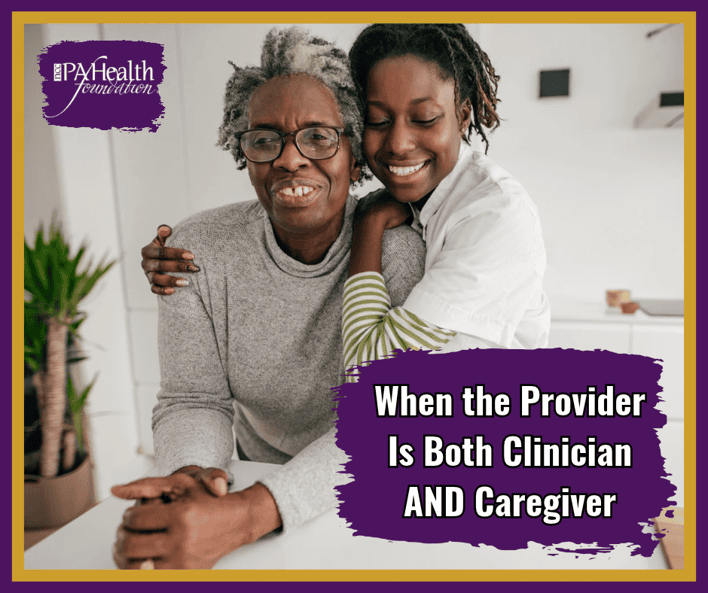
A caregiver provides services to someone else who is unable to do things for themselves or needs extra assistance. According to one source, 1 in 5 US adults provide care for someone with a disability.2 Individuals who have special needs, including brain injuries, chronic illness, mental health conditions, medical comorbidities, and/or functional deficits can require caregiver assistance. At least two-thirds of caregiving is done by females while other studies have captured an even larger percentage.2,3
Caregiving can often be overlooked as a routine part of the day. For example, helping with daily activities of living (toileting, bathing, dressing), meal preparation, housework, medication management, finance management, transportation, and advocacy may not be seen as requiring added energy and investment on behalf of the caregiver.4 However, these added demands can take a particularly significant emotional and physical toll on clinicians who also carry substantial obligations in addition to their professional roles.
Although there is a paucity of information that examines the relationship between caregiving, gender, and burnout there are a few studies that illuminate facts worth addressing.
- 60% of caregivers experience some burnout symptomatology.4
- Female gender, number of caregiving hours, and lack of workplace support led to higher burnout.2
- The cumulative demands of caregiving both within and beyond the workplace may place healthcare workers at heightened risk for burnout and emotional exhaustion.2
Now consider findings from NCCPA’s most recent PA demographics data (2025):
- Women make up 72.1% of PAs.1
- Overall, 31.8% of PAs report one or more symptoms of burnout.1
What does this mean? PAs and fellow clinicians must be equipped to recognize all signs of burnout and understand the implications for long-term outcomes for the caregiver, the patient, and the healthcare system. One source suggested that the cost of burnout is $4.6 billion annually.5 Further, clinicians who experience burnout are at risk of having poorer patient and personal health outcomes and have a higher likelihood of leaving their profession, which reduces access to care overall.
Knowing peers’ caregiving responsibilities may be a first step in mitigating burnout risk and recognizing caregiver burnout symptoms may be the easiest intervention. Symptoms of caregiver burnout are similar to the red flags for mental distress, including exhaustion, withdrawal, loss of interest, hopelessness, appetite/weight changes, sleep disturbances, difficulty concentrating, and irritability. Normalizing the experience, reducing stigma, and encouraging utilization of available resources is a next step that can be employed by peers, colleagues, and supervisors.
Clinicians are encouraged to explore whether their health system or employer offers helpful resources that support mental well-being. It is important to note that most platforms and resources maintain confidentiality. Potential resources may include:
- Employee Assistance Programs (EAP)
- Discounts on gym memberships
- Online platforms for chronic pain, physical therapy, mental health (Hinge Health, Kaia Health)
- Discounts to platforms such as Calm, Headspace, AbleTo, MoodHacker
- Chaplain access as resource for intermittent and situational sources of stress
- Women’s Health platforms such as Visana and Maven (aid with fertility, perimenopause, menopause)
In addition, clinicians may suggest these resources to their patients who may be experiencing burnout from their own caregiving responsibilities.
In summary, when clinicians also serve as caregivers outside of their professional roles, the cumulative demands of caring for others may heighten the risk of burnout and compromise well-being and care delivery across both settings. Mitigating these risks requires recognition, advocacy, and meaningful use of available resources. Prioritizing the well-being of clinicians who carry multiple caregiving roles recognizes self-care as health care, and it is essential to sustaining both the caregiver and the quality of care they provide.
Resources:
- Caregiver Action Network: https://www.caregiveraction.org/nfc-month/
- National Council on Aging: https://www.ncoa.org/page/national-family-caregivers-month/
- SAMHSA: https://www.samhsa.gov/blog/national-family-caregivers-month
References:
- National Commission on Certification of Physician Assistants. 2025 Statistical Profile of Board Certified PAs: An Annual Report of the National Commission on Certification of Physician Assistants. Published 2026. Accessed October 15, 2026. https://www.nccpa.net/wp-content/uploads/documents/2025-Statistical-Profile-of-Board-Certified-PAs.pdf
- Willard-Grace R, McNey E, Huang B, Grumbach K. Caregiving responsibilities, organizational policy, and burnout among primary care clinicians and staff. J Am Board Fam Med. 2024;37(5):847-856. doi:10.3122/jabfm.2024.240011R1
- Pacheco Barzallo D, Schnyder A, Zanini C, Gemperli A. Gender differences in family caregiving: do female caregivers do more or undertake different tasks? BMC Health Serv Res. 2024;24:730. doi:10.1186/s12913-024-11191-w
- Cleveland Clinic. Caregiver burnout. Updated August 16, 2023. Accessed October 15, 2026. https://my.clevelandclinic.org/health/diseases/9225-caregiver-burnout
- Khullar D. Burnout, professionalism, and the quality of US health care. JAMA Health Forum. 2023;4(3):e230024. doi:10.1001/jamahealthforum.2023.0024